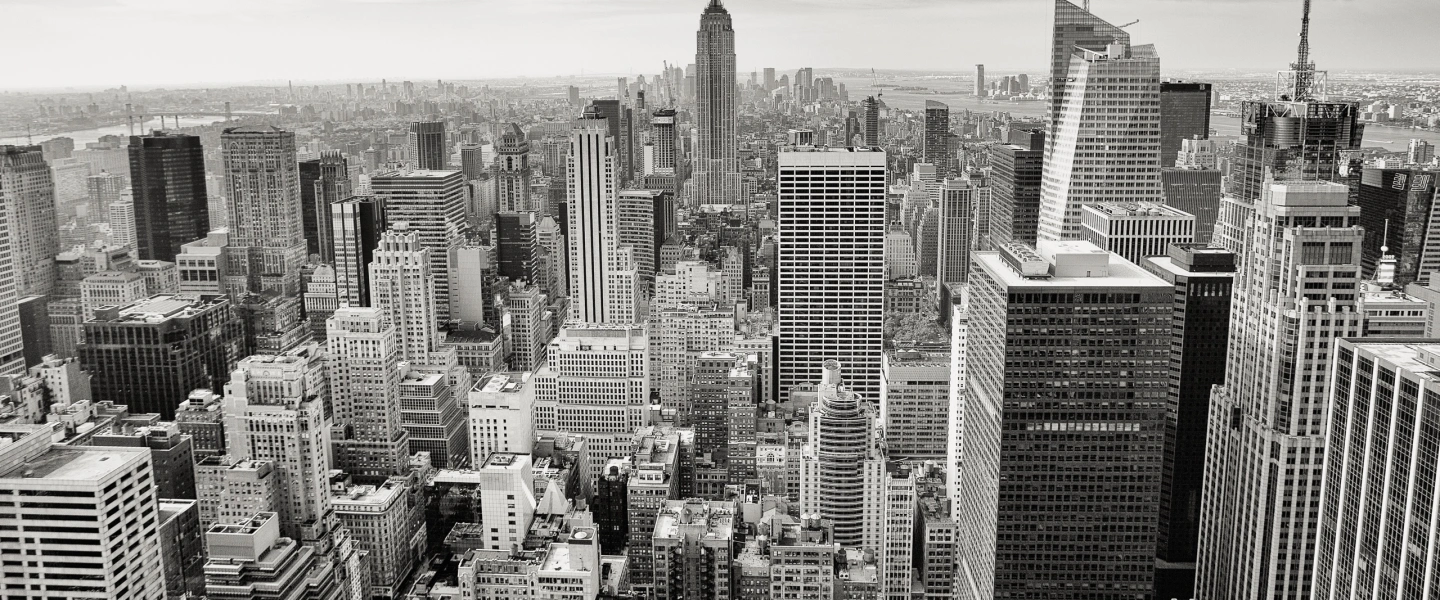
The year is 2035, where Chinese society has begun embracing genetic modification of humans, for cosmetic purposes – however only the wealthy elite can afford this. Beauty standards have risen, people have become more materialistic, equating beauty to success. In the years before, plastic surgery has become extremely common place (as attitudes towards enhancement through surgery must first become favourable before genetic modification for cosmetic purposes). What object would exist in the scenario? How could the design of said object express the world it exists in?
Initial Brainstorming:
The brainstorming of the Beautification Mask first began in class. I was considering the practical uses of the object, as any speculative object must have a practical/social ‘use’ to be able to critique the scenario it exists in (Dunne & Raby 2013).
Initial sketches seen above.
I envisioned the mask to be able to shield your identity (to hide your face when you don’t have any makeup on, or are recovering from plastic surgery), and have some beautification features. Such features included climate control around the face (for the optimal environment for recovery from surgery), blocking UV and filtering out air pollutants.
Design Inspiration:
When developing my final design, I considered a few design precedents to be able to ground my prototype in reality and develop its aesthetic.
- The Sheet Mask

(Hou 2018)
Sheet masks have become a ubiquitous beauty product in the modern day. They are face-shaped sheet fabrics soaked in serum, designed to stay on one’s face for around 10-20 minutes as a conditioning treatment for the skin. In recent years, the sheet mask has been seen around social media, with famous stars such as Gigi Hadid and Lady Gaga posting self-portraits in them (Hou 2018). The ridiculous look of a sheet mask on, and luxurious nature of these masks was the foundation of my prototype.
- Cocoon

(Hiskey 2011)
The prototype, used for cosmetic surgery recovery, had to be a source of pride for the one wearing it. This was because in the scenario we developed, beauty is equated to success, therefore achieving beauty (i.e through plastic surgery), should be a celebrated/boasted about. Thus, the metaphor of a cocoon becomes appropriate in this context– the butterfly (human), hibernates and develops in the cocoon (the rehabilitation mask for the human). This is what inspired the aesthetic of the mask.
Making the Mask:
(shakefororigami 2017)
I followed a YouTube tutorial on how to make a Low Poly Mask. It had the structured aesthetic of a technologically developed face-mask. I used pink cardboard for the inside of the mask, to suggest softness, and pasted elastics on the inside (to represent absorbent mesh material as a carrier for the serum). Green and blue photo paper was used for the outside of the mask to suggest a shiny plastic-like material, and connote the aesthetic of a cocoon.
References:
Dunne, A. & Raby, F. 2013, Speculative everything : design, fiction, and social dreaming, MIT Press, Cambridge, Massachusetts.
Hiskey D. 2011, CATERPILLARS “MELT” ALMOST COMPLETELY BEFORE GROWING INTO BUTTERFLIES IN THE CHRYSALIS, Today I Found Out, viewed 7 Oct 2018, <http://www.todayifoundout.com/index.php/2011/10/caterpillars-melt-almost-completely-before-growing-into-butterflies-in-the-chrysalis >.
Hou K. 2018, What’s in your sheet mask?, The Cut, viewed 7 Oct 2018, <https://www.thecut.com/2018/03/the-ultimate-guide-to-sheet-masks.html >.
shakefororigami 2017, How to build a low poly mask, videorecording, Youtube, viewed 7 Oct 2018, < https://www.youtube.com/watch?v=9ixWAO7ANGE >.


